Walk into any dry fruit shop in Chandni Chowk or Crawford Market and you will see three trays of almonds priced anywhere from ₹900 to ₹3,400 a kilo. They are not the same nut with different margins — they are different varieties, and each one earns its place in an Indian kitchen.
Mamra: small, crescent-shaped and oil-rich
Mamra kernels are concave, slightly wrinkled and noticeably oily when you press one between your fingers. They come mostly from Iran and Afghanistan, yield very little per tree and are the almond grandparents buy for soaking. Expect ₹2,800–₹3,400 per kg for genuine Grade-1.
Gurbandi: the honest middle ground
Gurbandi is a smaller Afghan almond with a slightly bitter edge and a high oil content. It is excellent ground into badam milk or halwa, where its intensity carries through sugar and ghee.
California Nonpareil: uniform, mild and versatile
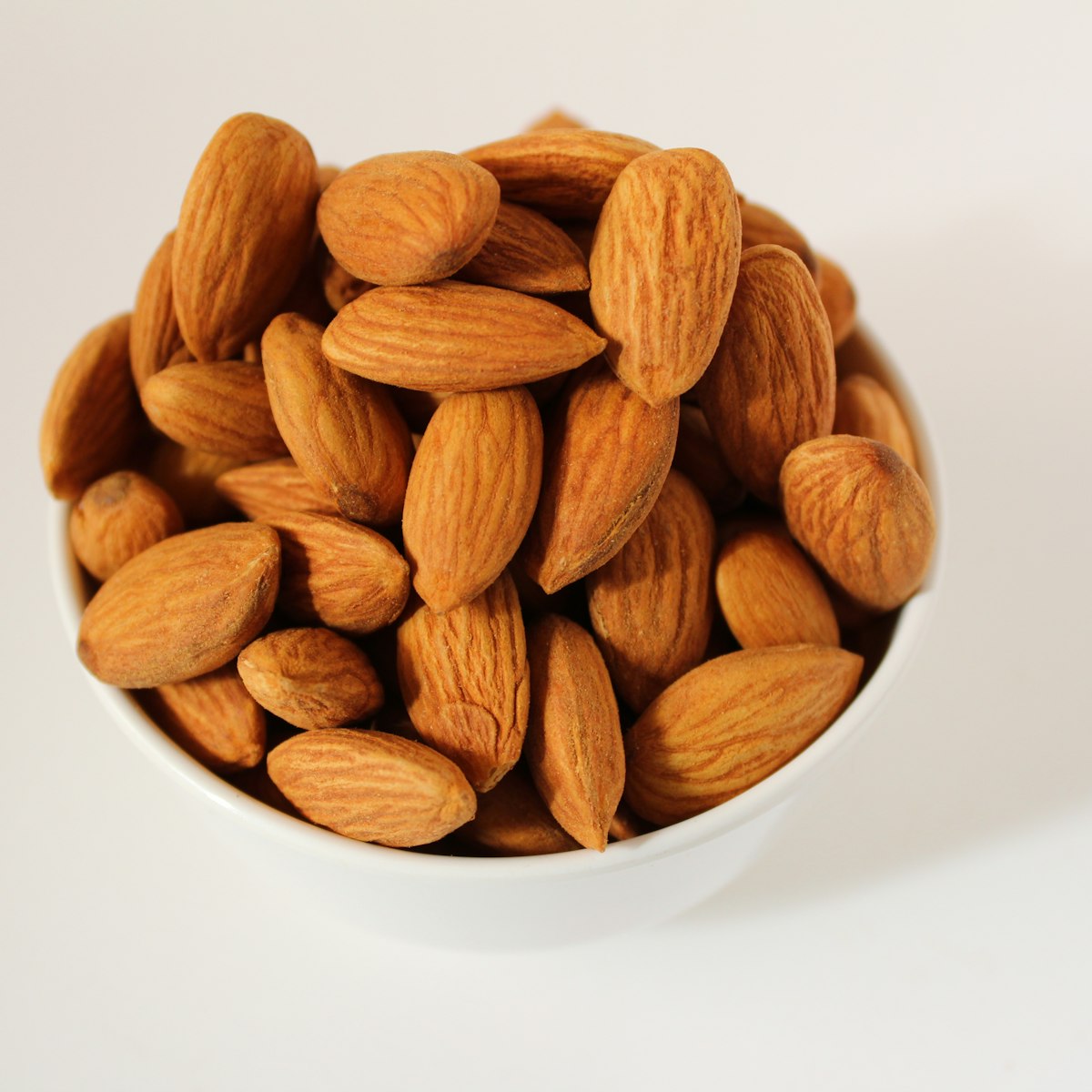
Flat, smooth and consistent, Nonpareil is the almond most families snack on every day. It roasts evenly, slices beautifully and is the best value for baking and garnishing.
- Soaking every morning: Mamra
- Badam milk and sweets: Gurbandi or Mamra
- Snacking, roasting, flakes: California Nonpareil
Whatever you choose, check the pack date and the smell. Fresh almonds smell faintly sweet; a paint-like note means the oils have turned.