Every spring, before the snow retreats from the higher ridges of Iran’s almond belt, growers walk the orchards at dawn. Mamra trees — lanky, drought-tough, and notoriously low-yielding — open their blossoms for only a short window. That scarcity is why true Mamra commands a premium on the Indian table.
What makes Mamra different
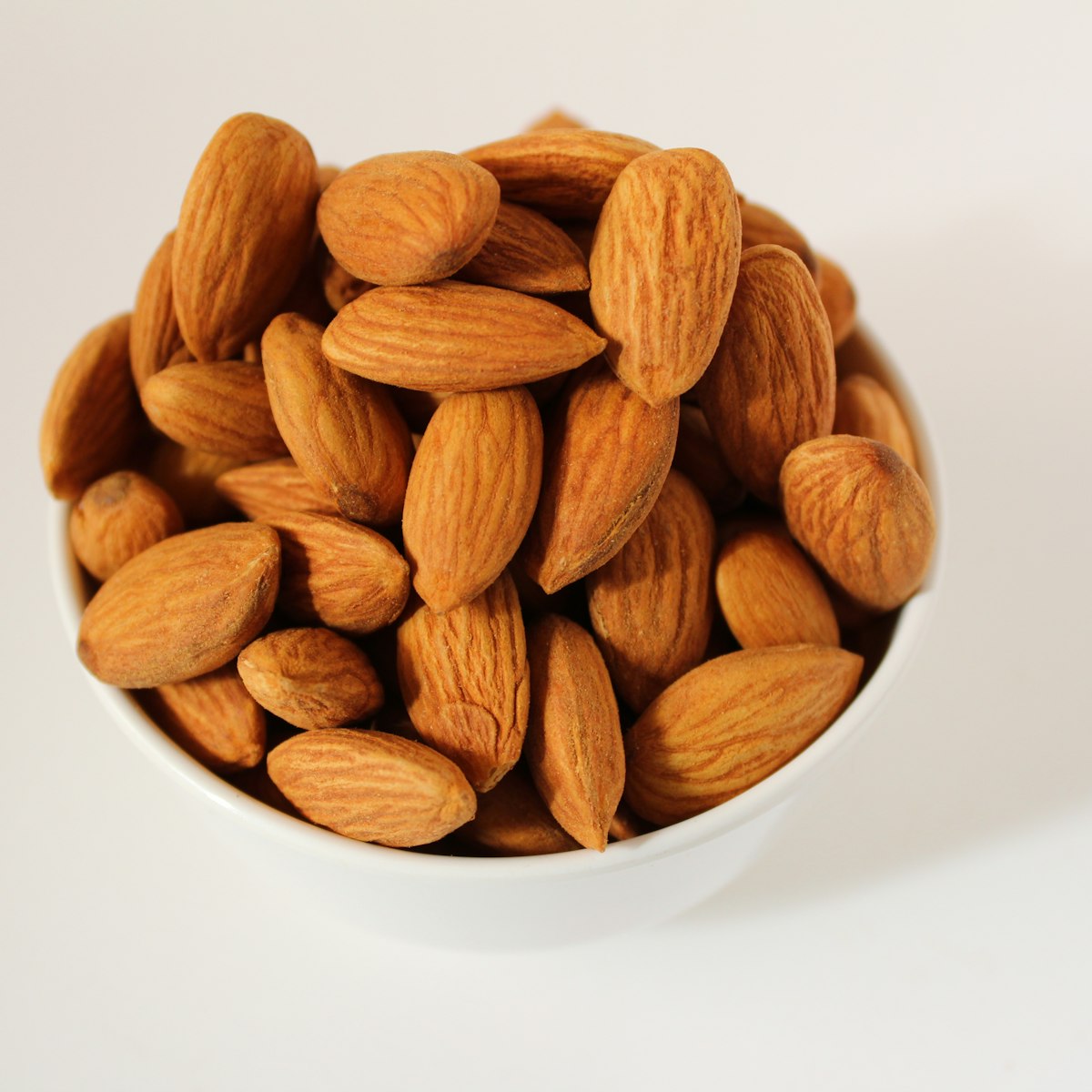
Unlike California Nonpareil almonds, Mamra kernels are smaller, crescent-shaped, and naturally oil-rich. Bite one and you taste a deep, almost buttery sweetness with a clean finish — never chalky, never watery. That flavour comes from slow ripening under intense mountain sun and thin shells that protect without trapping moisture.
- Hand-harvested in cloth baskets to avoid bruising
- Sun-dried on raised nets, never kiln-forced
- Sorted thrice: broken, twin, and Grade-1 singles separated
- Nitrogen-flushed within 48 hours of final grading
How we select for Royal Dry Fruits
Our buyers reject lots with chemical bleaching, oversized “jumbo” claims that don’t match Mamra genetics, and bags that smell of must. We sample oil content, moisture, and aflatoxin panels before any consignment leaves origin. Only lots that clear every lab gate enter our cold store.
When you open a Royal Mamra pouch, you should see uniform ivory kernels with a natural skin blush — not snow-white, not chalky. That is the harvest, not a factory finish.